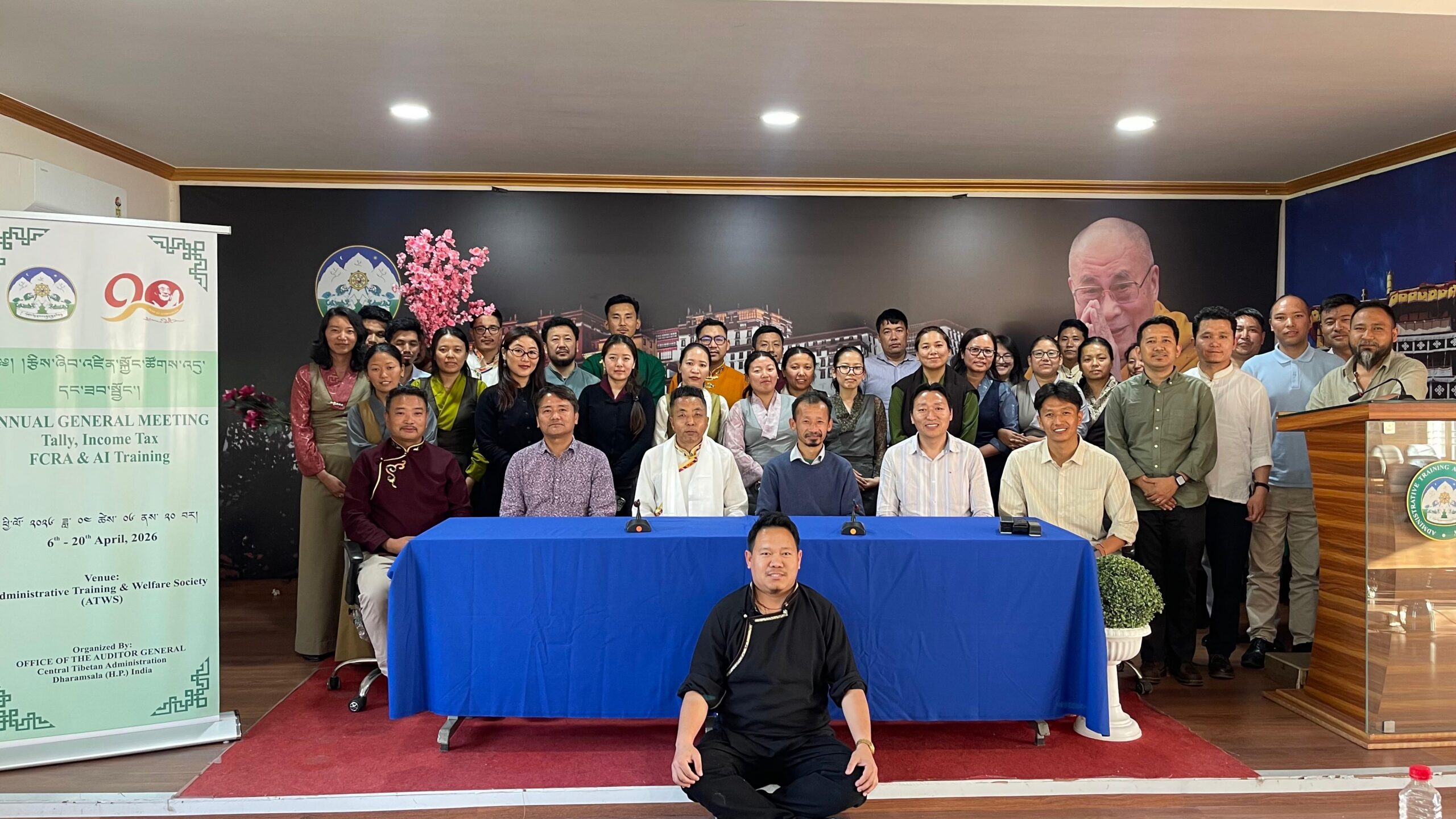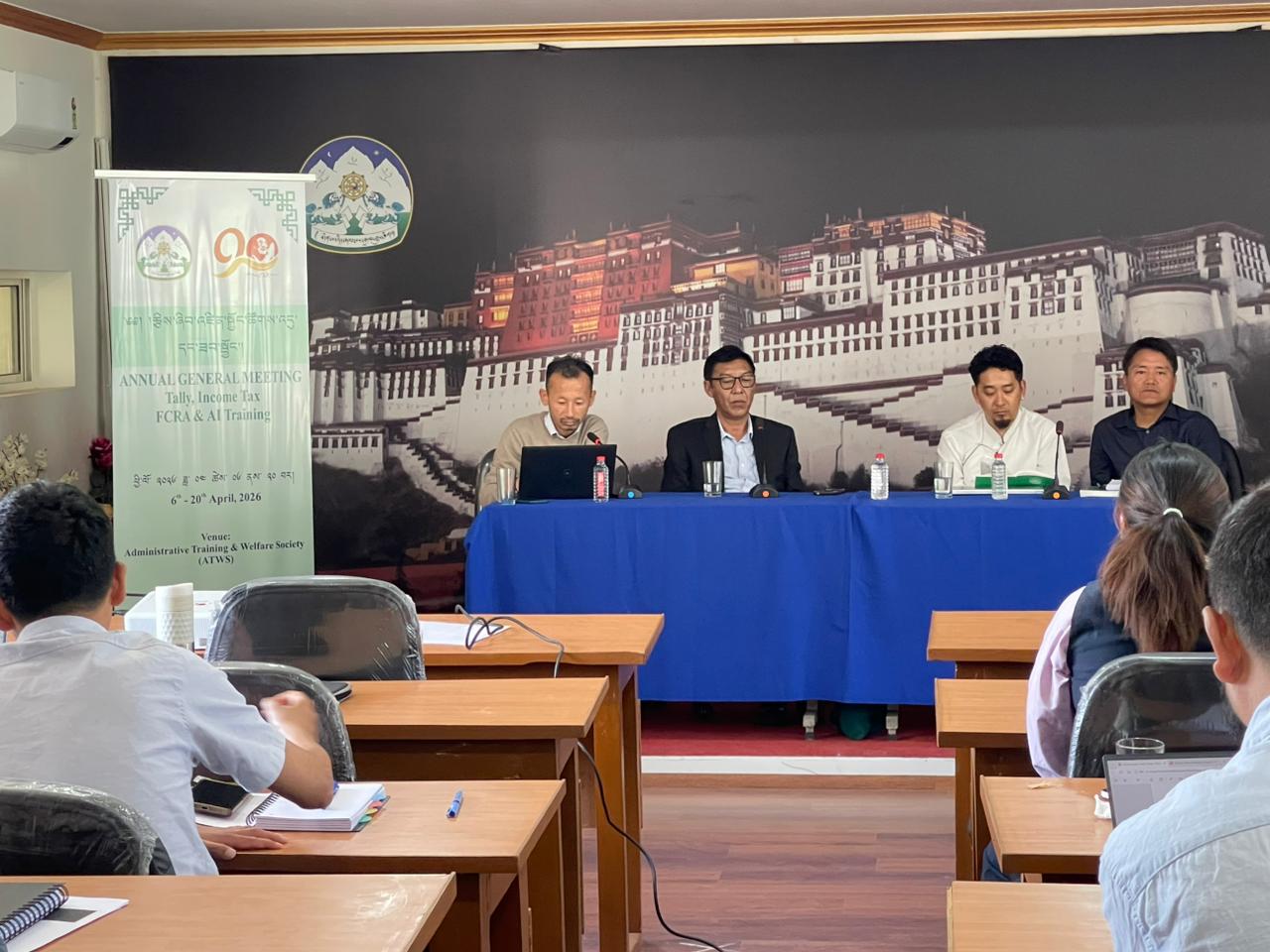
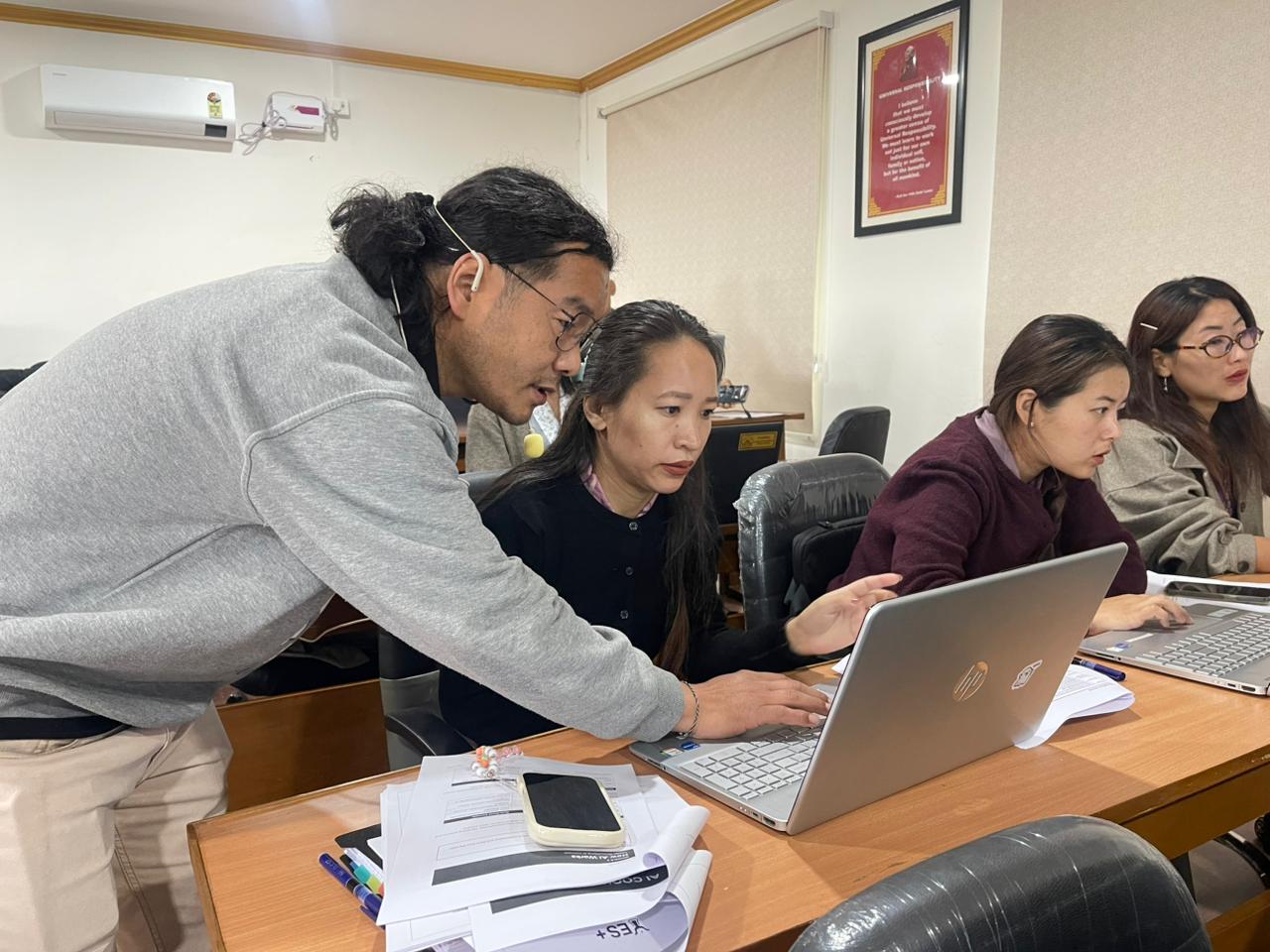
 DHARAMSHALA — The Office of the Auditor General (OAG) successfully concluded its highly anticipated Annual General Meeting (AGM) and comprehensive staff training program. Spanning two weeks from April 6 to April 20, 2026, the intensive initiative aimed to align the central and branch offices on updated administrative regulations while equipping the auditing staff with advanced technological, financial, and legal skills.
Day 1: Inauguration and Annual General Meeting (April 6)
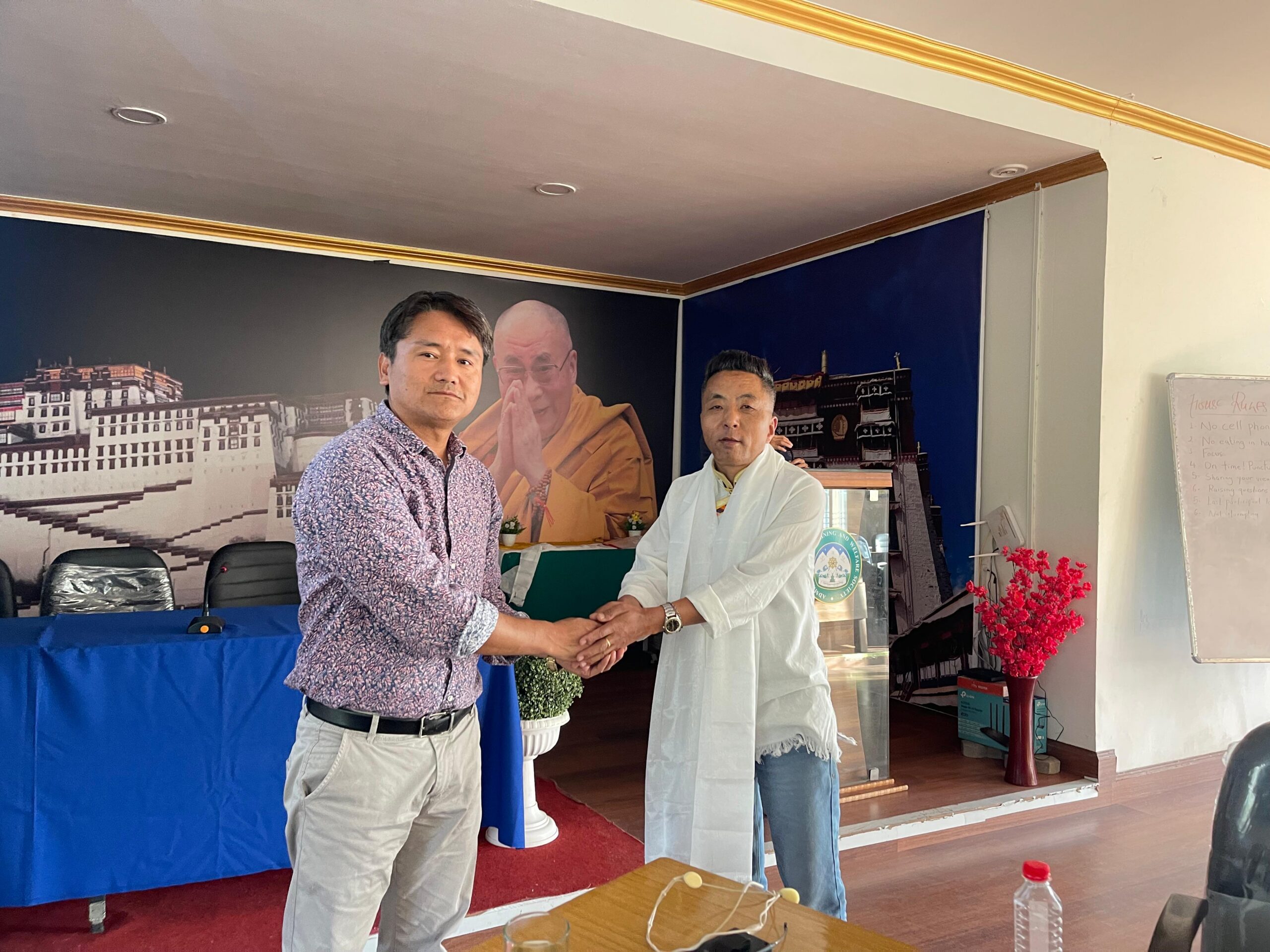
The program officially commenced at Thumi Hall, ATWS, with a traditional inaugural ceremony. Auditor General Tashi Topgyal la opened the event by offering a butter lamp and presenting a khatak to the portrait of His Holiness the Dalai Lama.
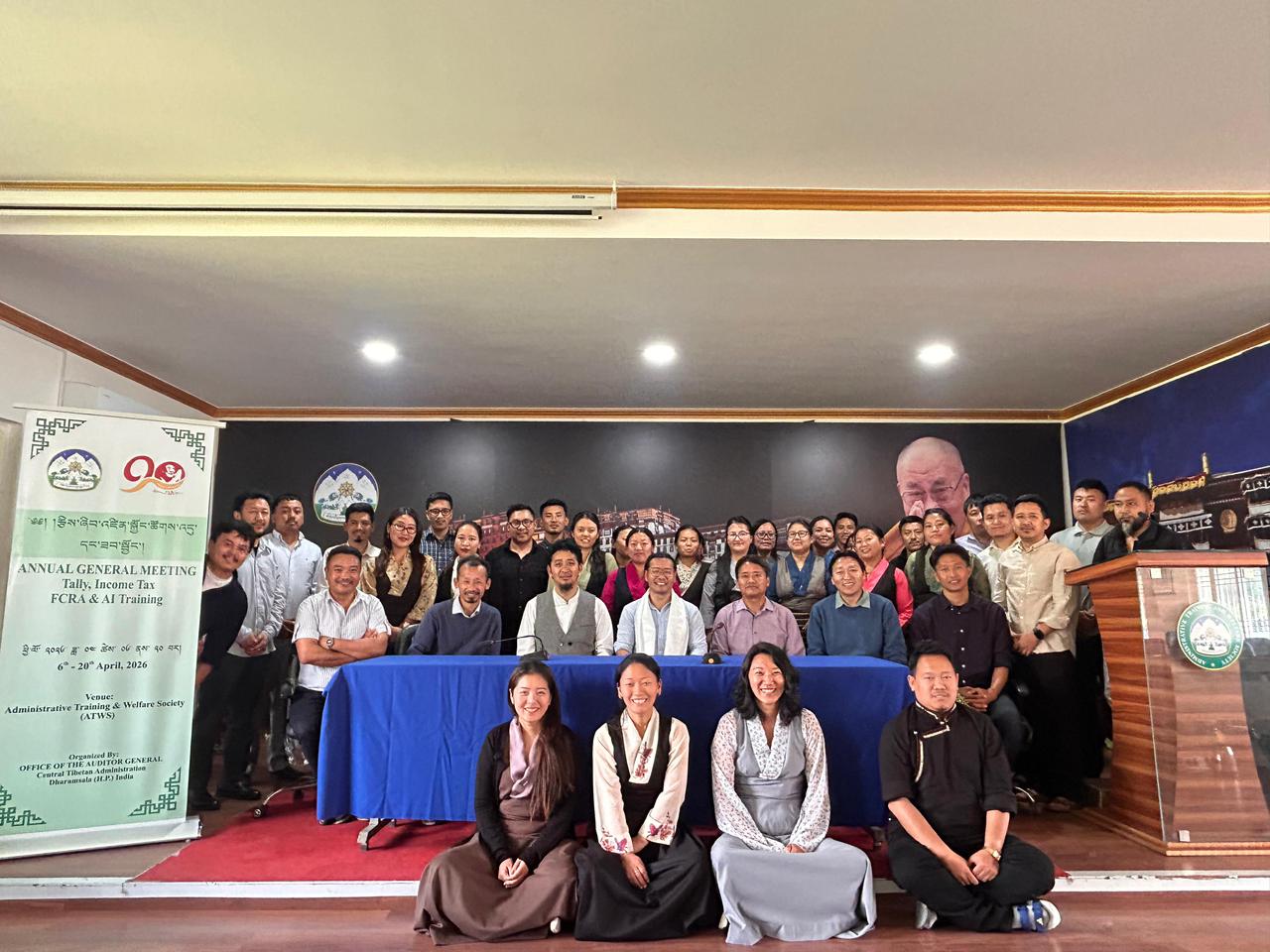
Following an introductory curriculum overview by Acting Secretary Thinley Chomphel la, Auditor General Tashi Topgyal la delivered the keynote address. He commended the staff’s dedication, emphasized the significant investment required for this gathering, and strongly directed the auditors to begin implementing Artificial Intelligence (AI) into their daily workflows. The morning formalities concluded with the serving of traditional tea and Droma dresil, followed by an official group photograph.
The remainder of the day was dedicated to administrative reviews and organizational strategy:
- Administrative Updates: Joint Secretary Tenzin Shedhen la reviewed the status of last year’s AGM suggestions and introduced newly translated English-Tibetan accounting terminology to ensure standardized reporting.
- Rules and Guidelines: Joint Secretary Kunchok Wangdue la briefed the staff on the revised Internal Rules and Regulations (effective April 1, 2026). Subsequently, Acting Secretary Thinley Chomphel la presented the Yearly Guidelines for Audit 2026, standardizing reporting formats and field conduct.
- Branch Presentations: Representatives from all regional offices presented formalized suggestions to management, including 4 points from Dekyiling, 3 points from Nepal, 6 points from the South branch, and 7 points from the Head Office.
- Leadership Directives: Auditor General Tashi Topgyal la closed the administrative session with a powerful mandate on preserving the Tibetan language in official reports and urged staff to actively practice public speaking during the monthly first-Saturday office meetings.
- Group Discussions: The afternoon featured collaborative breakout sessions where six staff groups brainstormed strategies for standardizing accounts, utilizing modern technology, and improving audit efficiency.
Intensive Skill Development: AI and Tally Modules (April 7 – 14)
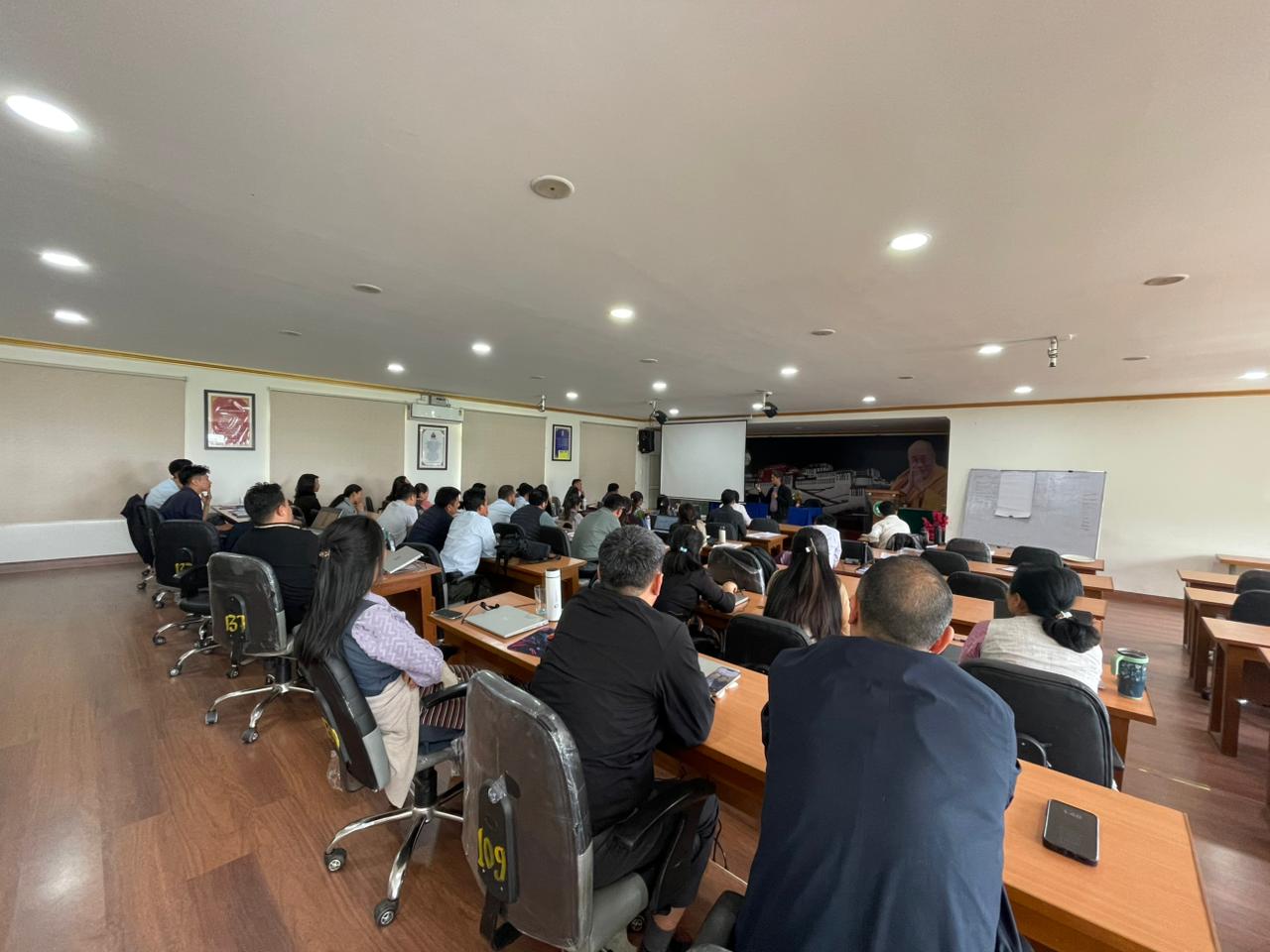
For the first full week of training, the daily schedule was divided into two highly specialized, intensive tracks.
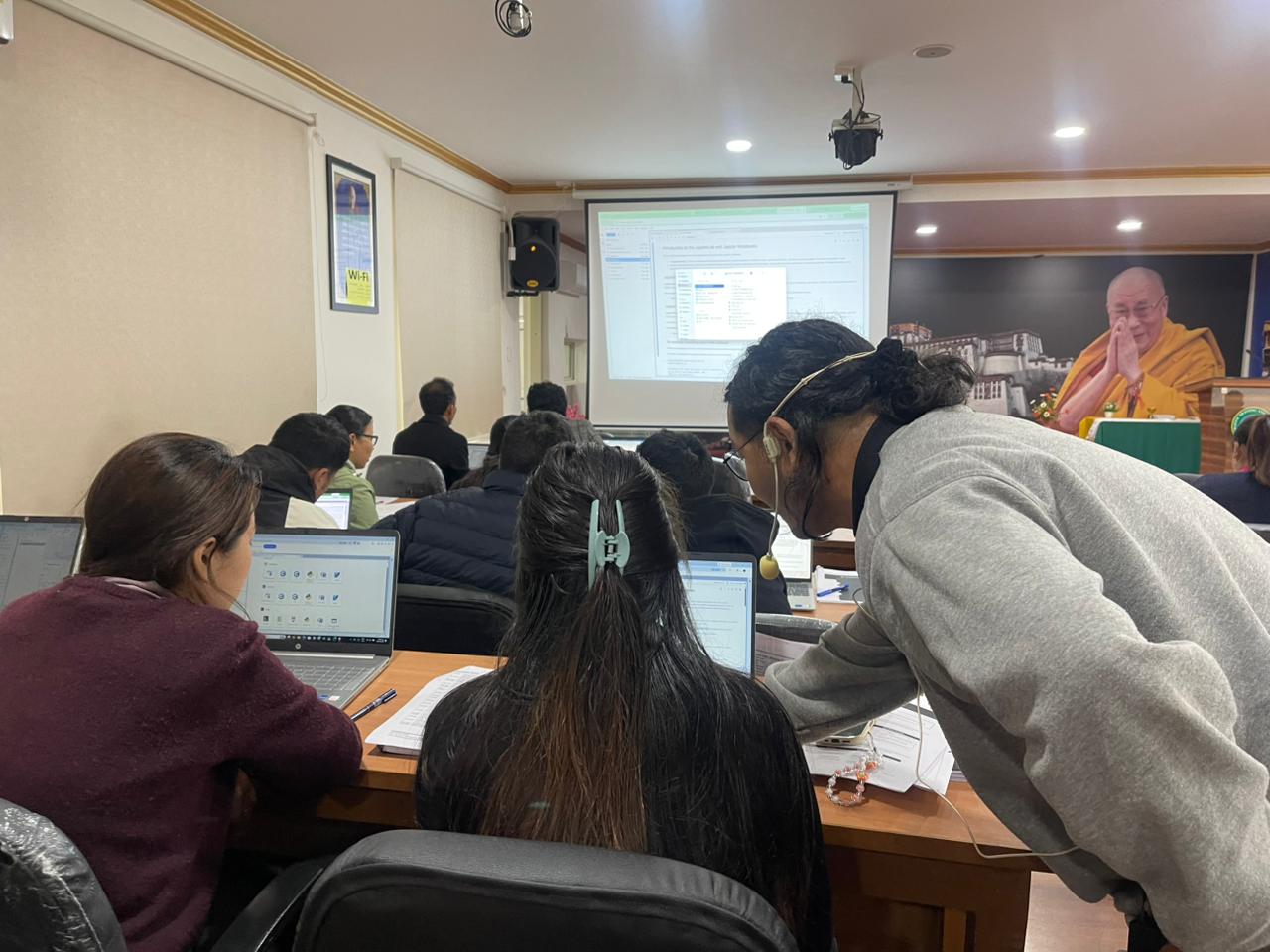
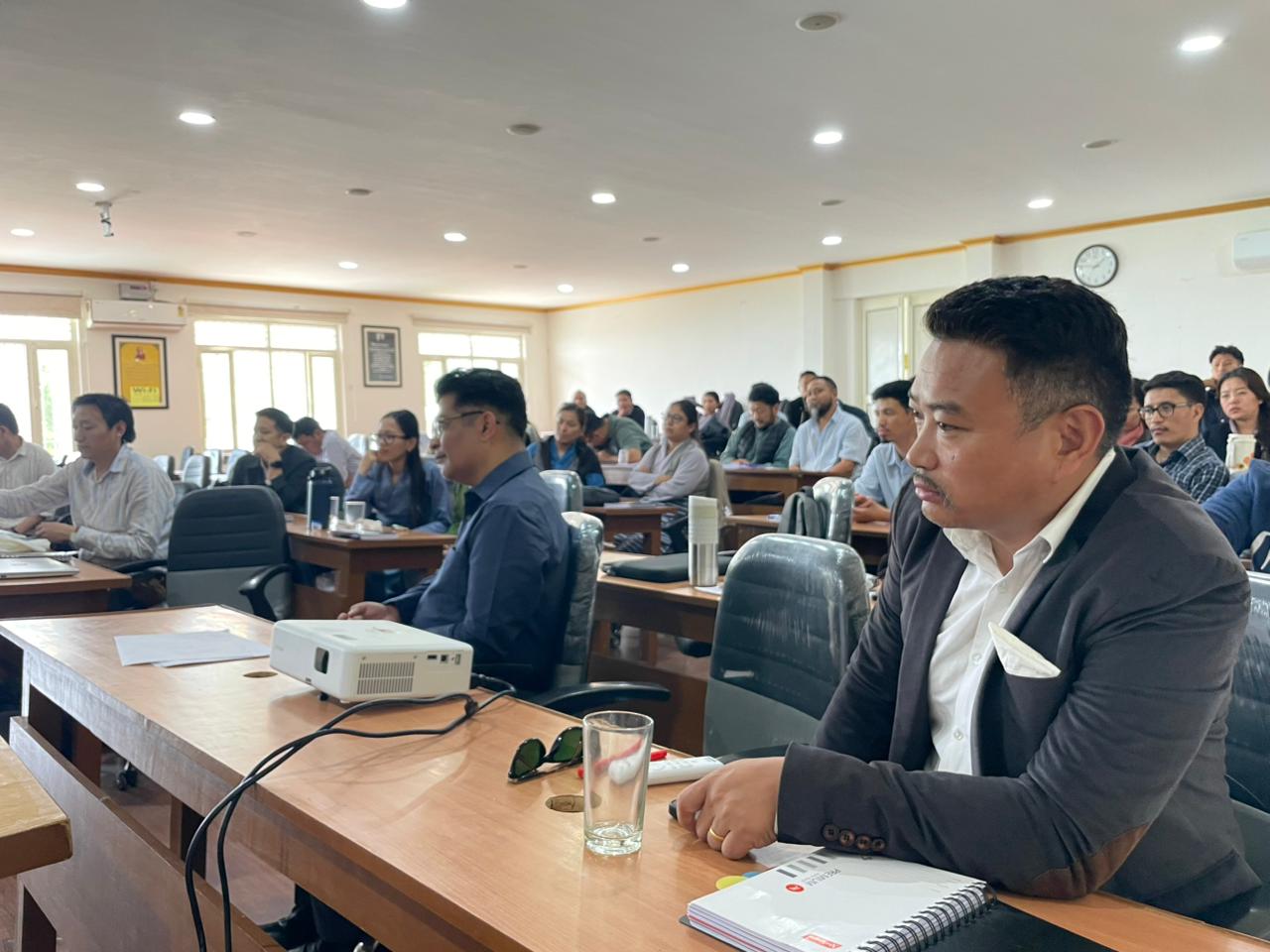
Morning Sessions: Artificial Intelligence in Auditing Led by Jampa Ngodup, a Digital Skills Trainer from the Tibetan Career Centre (TCC), the 3.5-hour morning sessions demystified AI. Utilizing a customized “AI Audit Cookbook,” the training bridged general AI concepts with specific auditing workflows.
- Key Topics: Machine Learning (ML), Natural Language Processing (NLP), Large Language Models (LLMs), and Prompt Engineering.
- Audit Applications: Staff learned to leverage AI for 100% transaction anomaly detection, risk scoring, process mining, and NLP document review.
- The AI + Auditor Partnership: The sessions emphasized that while AI processes data at high speeds, professional auditor judgment remains paramount. The module concluded with critical discussions on AI ethics, data quality, and compliance with data privacy laws.
Afternoon Sessions: Advanced Tally Capabilities Subhash Chand led the afternoon sessions, focusing on advanced features within Tally software essential for modern reconciliation.
- Key Topics: Inventory and GST integration, Batch-wise inventory, Godown management, and TDS.
- Audit Features: Significant time was dedicated to mastering Tally’s Data Analysis and Voucher Verification tools to streamline upcoming field audits.
Specialized Seminars: Technology, Construction, and Taxation (April 15 – 18)
The second week transitioned into specialized seminars addressing specific audit environments and regulatory compliance.
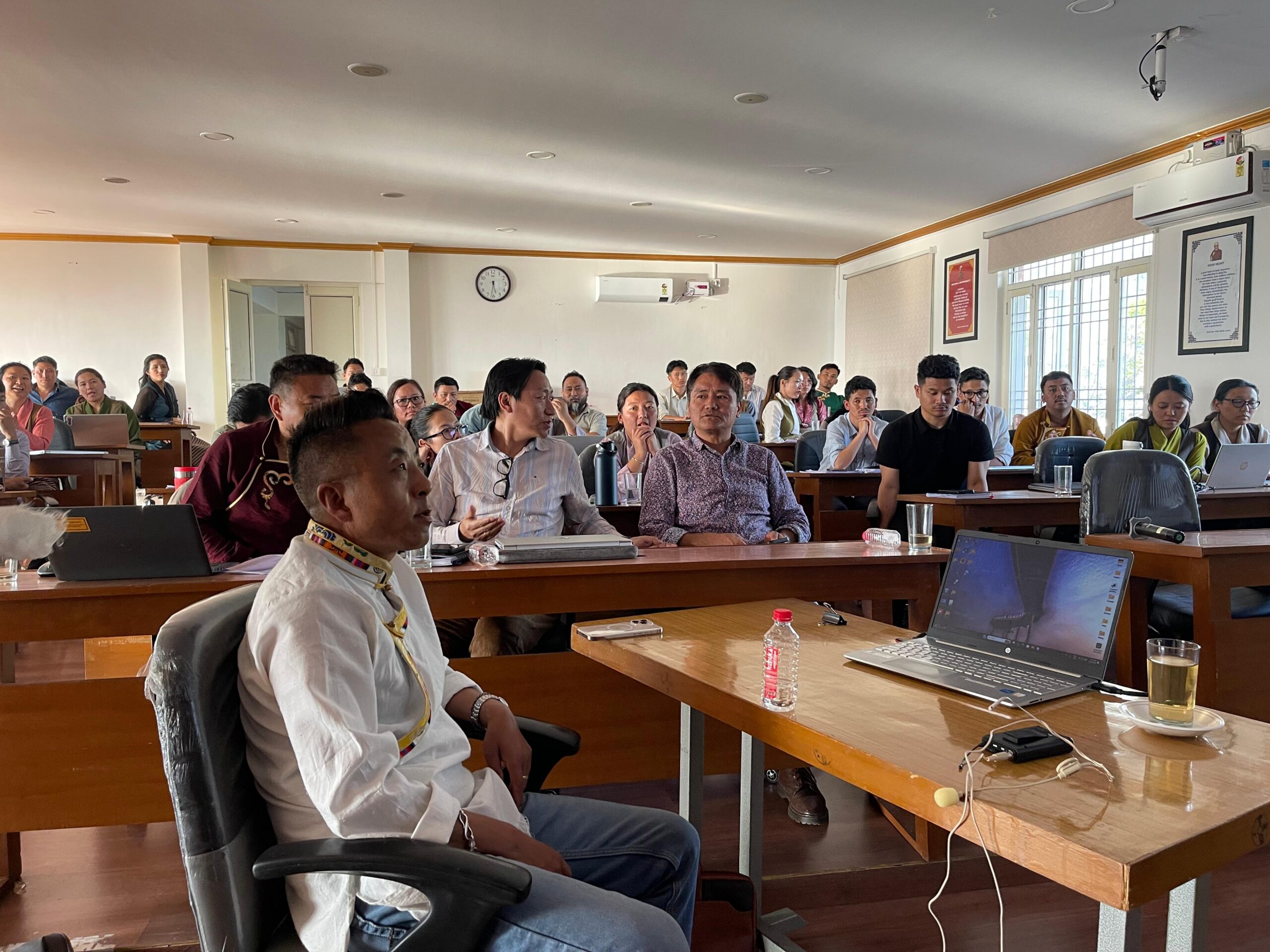
- Construction Audit (April 15): Penpa Tsering from Men-Tsee-Khang shared his extensive practical experience in construction. He detailed vital pre-construction land documentation and thoroughly explained various field measurement units, followed by a highly engaging Q&A session.
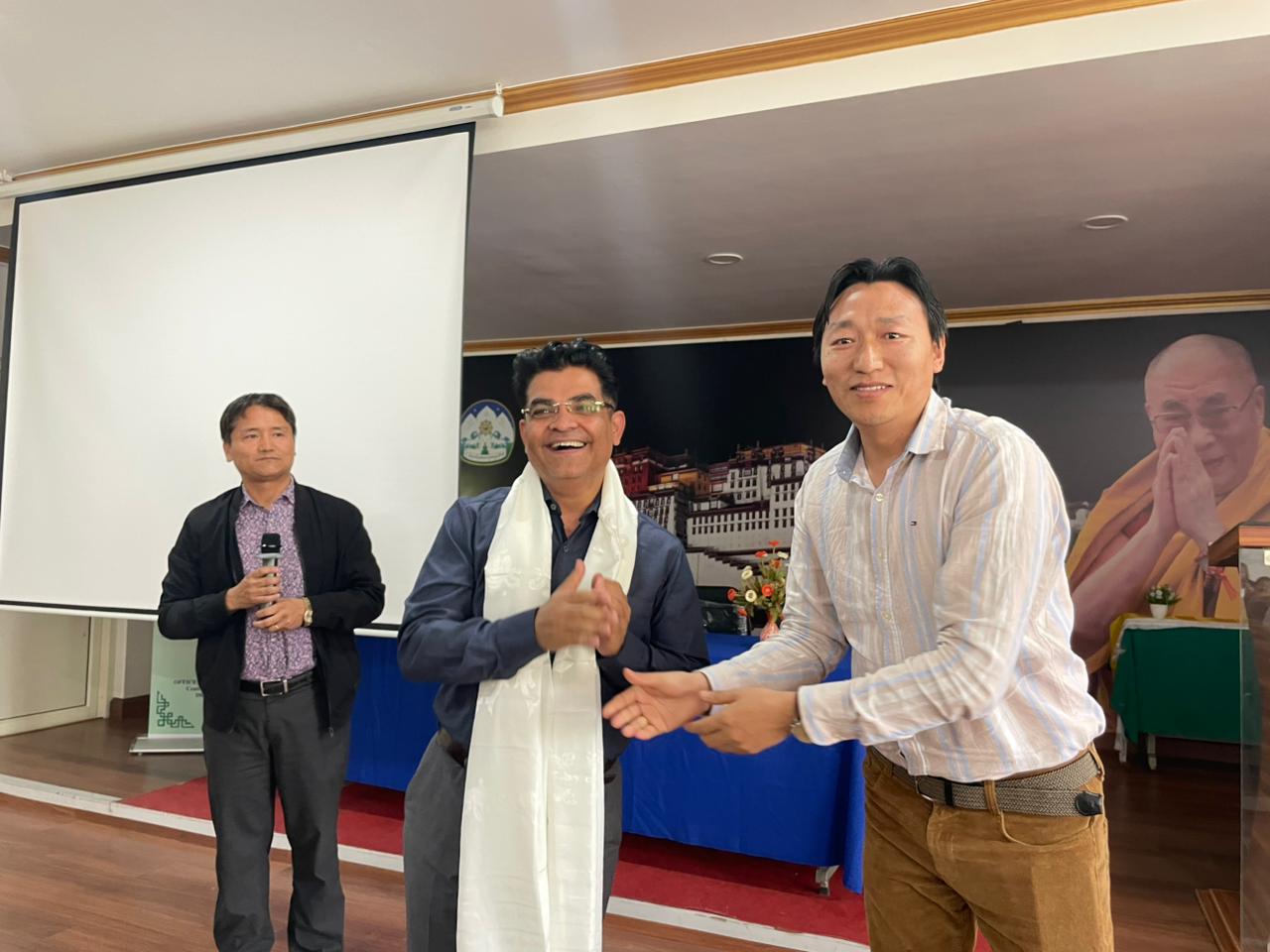
- Income Tax and FCRA (April 16 – 17): Suresh Wadhwa delivered an exceptional day-and-a-half seminar covering new Income Tax regulations (Sections 332 to 355) and the Foreign Contribution Regulation Act (FCRA). Praised for his dynamic delivery, Wadhwa embraced the staff’s practical questions and established an open-door, “learning forever” policy, encouraging ongoing email correspondence for complex queries.
- Monlam AI Prototype (April 18): Tsering Wangchuk from Monlam AI showcased a Retrieval-Augmented Generation (RAG) AI prototype (stg.melong.ai) trained on CTA rules, regulations, and Kashag circulars. He outlined the future roadmap for the project, noting the need for enhanced metadata and annotations to improve the AI’s precision.
Team Building: OAG Welfare Retreat (April 18 – 19)
Transitioning from the classroom, the staff participated in a team-building retreat organized by the Head Office’s 2nd Welfare Committee. Held at Lungta Camp in Kharota, the weekend featured fun team games and a scenic one-hour trek to a nearby waterfall, successfully fostering camaraderie among the central and branch office teams.
Final Day: Regulatory Review and Closing Festivities (April 20)
The program’s final day at ATWS focused on internal CTA frameworks and concluding the AGM agenda.
- Morning Review: An in-depth discussion was held regarding the CTA Code of Conduct for staff (བོད་མི་སྒྲིག་འཛུགས་ཀྱི་ལས་བྱེད་བླང་དོར་སྒྲིག་གཞི།) and the Financial Management Manual (དངུལ་རྩིས་སྟངས་འཛིན་ལག་དེབ།).
- Afternoon Presentations: Following branch-wise meetings, the six discussion groups formed on Day 1 presented their finalized strategies and solutions directly to Auditor General Tashi Topgyal.
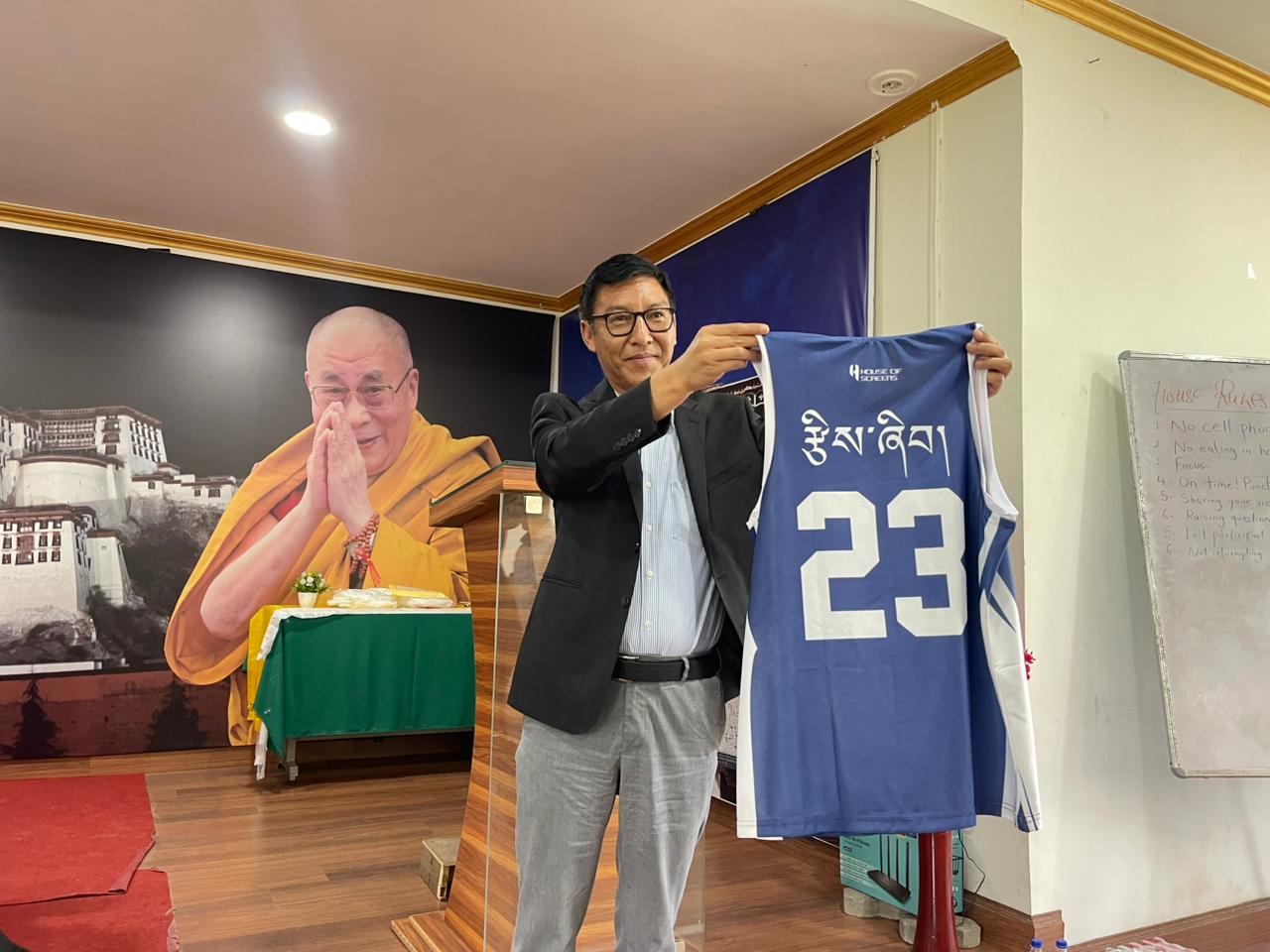
A Celebratory Conclusion The rigorous two-week program ended in high spirits. Just prior to the closing ceremony (6pm -7pm), a combined OAG basketball team (South and Dekyiling branches) secured a massive upset victory against the Department of Finance in Gangkyi Basketball staff tournament 2026—historically known as the administration’s strongest team.
Riding the momentum of the win, the staff gathered in Songtsen Hall for the Closing Ceremony. The administration hosted a wonderful farewell reception featuring Mutton Momo, leading into a joyous evening of Karaoke, traditional Gorshey circular dancing and an energetic Bollywood night. The successful integration of intense professional development, strategic organizational planning, and spirited team building marked the 2026 program as a resounding success for the Office of the Auditor General.